


- Home
- Menstrual Disorder Treatment in Loni Kalbhor
Menstrual Disorder Treatment in Loni Kalbhor
At Bloom Hospital, women experiencing menstrual problems can consult a gynecologist for evaluation, appropriate investigations and treatment based on the underlying cause, symptoms and reproductive goals.
What is Menstrual Disorder?
A menstrual disorder is not one specific disease.
It is a term used for different problems involving the timing, duration, amount of menstrual bleeding or symptoms associated with periods.
Common menstrual concerns include:
- Irregular or unpredictable periods
- Very heavy menstrual bleeding
- Periods lasting longer than usual
- Severe menstrual pain
- Very frequent periods
- Missed or absent periods
- Bleeding between periods
- Bleeding after sexual intercourse
- Significant premenstrual symptoms
Treatment depends on why the menstrual pattern has changed. Simply taking a medicine to stop or delay bleeding without understanding the cause may not address the underlying problem.
Quick Answer
Menstrual disorders include problems such as heavy periods, irregular periods, severe period pain, prolonged bleeding and missed periods. Treatment depends on the underlying cause and may include medicines, hormonal treatment, lifestyle measures, treatment of conditions such as fibroids or PCOS/PMOS, or minimally invasive procedures when required.
Common Types of Menstrual Disorders
- Irregular Periods
- Heavy Menstrual Bleeding
- Painful Periods
- Prolonged Periods
- Missed or Absent Periods
- Bleeding Between Periods
What Causes Menstrual Disorders?
- Hormonal Imbalances
Changes in reproductive hormones can affect ovulation, the uterine lining and the timing of periods.
- PCOS/PMOS
PCOS/PMOS can cause irregular or infrequent periods because ovulation may not occur regularly.
- Uterine Fibroids
Fibroids can cause heavy menstrual bleeding, pelvic pressure and period-related pain.
- Endometriosis
Endometriosis can cause painful, heavy or irregular periods and pelvic pain.
- Adenomyosis
Adenomyosis can contribute to heavy and painful periods.
- Thyroid Disorders
Both an underactive and overactive thyroid can affect menstrual patterns.
- Pregnancy
Pregnancy should be considered when a previously regular period is missed.
- Perimenopause
Menstrual cycles can become irregular as a woman approaches menopause.
Tests for Menstrual Disorders
There is no single test for every menstrual disorder.
Gynecologist may begin by discussing:
- Your usual menstrual cycle
- When the problem started
- Frequency and duration of periods
- Amount of bleeding
- Presence of clots
- Period pain
- Bleeding between periods
- Medications and contraception
- Pregnancy possibility
- Previous pregnancies
- Fertility plans
- Medical and family history
Keeping a menstrual diary or period-tracking record can be helpful because it allows your doctor to see changes in timing, bleeding and symptoms over several cycles.
Tests for Menstrual Disorders
Depending on your symptoms, your doctor may recommend selected investigations.
Pregnancy Test
A pregnancy test may be recommended when periods are late, missed or abnormal bleeding occurs in someone who could be pregnant.
Blood Tests
Blood tests may be used to evaluate anemia, iron deficiency, thyroid function or other hormonal and medical causes depending on the symptoms.
Pelvic Ultrasound
Ultrasound can help evaluate the uterus and ovaries and may identify conditions such as fibroids or other structural abnormalities.
Hormonal Evaluation
Hormonal testing may be recommended when irregular periods, absent periods or symptoms suggesting an endocrine disorder are present.
Further Gynecological Evaluation
Additional investigations may be recommended if abnormal bleeding persists or if the initial assessment suggests a condition requiring further evaluation.
Hormonal Treatment for Menstrual Disorders
Hormonal treatment may be considered when appropriate for managing irregular, painful or heavy periods.
Depending on the patient’s circumstances, options can include:
- Combined hormonal contraceptives
- Progestogen-based treatment
- Hormonal intrauterine systems
- Other hormone-based medicines
These treatments are not suitable for everyone.
Your gynecologist may consider your age, medical history, migraine history, blood pressure, risk factors, pregnancy plans and the specific menstrual problem before recommending hormonal treatment.
Treatment for Heavy Periods
If heavy bleeding is affecting your daily life, treatment may include medicines that reduce menstrual blood loss.
Depending on the cause and your medical history, doctors may consider:
- Medicines that reduce bleeding
- Anti-inflammatory medicines
- Hormonal treatment
- Treatment of fibroids or polyps when they are responsible
- Other gynecological procedures when appropriate
If heavy bleeding has caused anemia, your doctor may also assess and treat iron deficiency.
Treatment for Painful Periods
For some women, period pain can be managed with medication and supportive measures.
However, pain that is severe, worsening or interfering with daily life should not simply be accepted as “normal.”
Your gynecologist may investigate conditions such as:
- Endometriosis
- Adenomyosis
- Fibroids
- Pelvic inflammatory disease
Treatment depends on what is causing the pain.
When Should You See a Gynecologist for Period Problems?

You should consider a gynecological consultation if:
- Your periods have suddenly become irregular
- Your periods are consistently very heavy
- Your periods last longer than 7 days
- You have severe period pain
- You bleed between periods
- You bleed after sexual intercourse
- You have missed several periods
- Period problems are affecting work, education or daily activities
- You feel tired, weak or breathless during or after heavy periods
- You are having difficulty becoming pregnant
Persistent or significant changes in your menstrual pattern deserve evaluation rather than being treated as something you simply have to tolerate.
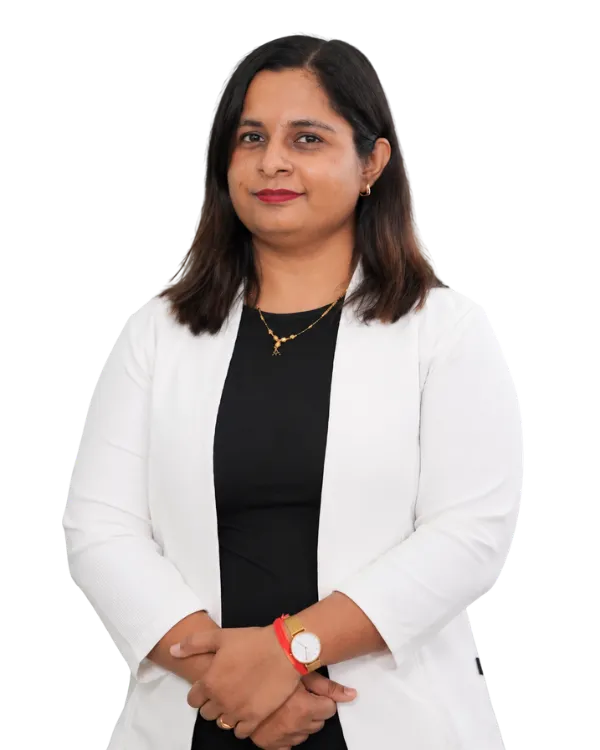
Dr. Tejal Borate (Baravkar)
Founder – Bloom Multispeciality Hospital
MBBS, DNB (Obstetrics & Gynaecology) | 10 Years of Experience
Registration No. – MH/2018051760
Dr. Tejal Borate (Baravkar) is an experienced Obstetrician and Gynecologist dedicated to providing comprehensive care for women at every stage of life. With 10 years of experience in Obstetrics & Gynecology, she focuses on providing personalized care with compassion, clinical expertise, and attention to each patient’s individual needs.
High Risk Pregnancy
Advanced Laparoscopy Surgery
Infertility Treatment
PMOS & Hormonal Management
Why Choose Bloom Hospital for
Menstrual Disorder Treatment
Bloom Hospital provides gynecological care for women experiencing menstrual and reproductive health concerns.
The hospital’s gynecology services include menstrual disorder management, PCOS/PCOD care, uterine fibroid treatment and endometriosis care. Diagnostic facilities include ultrasound and pathology, while gynecological surgical services include laparoscopy and hysteroscopy.
A consultation can help determine:
- Why your periods are irregular or abnormal
- Whether heavy bleeding requires investigation
- Whether your period pain may have an underlying cause
- Whether blood tests or ultrasound are needed
- Whether medication may help
- Whether a gynecological procedure is appropriate
- How treatment should be planned if you want to become pregnant
Menstrual Disorder Treatment in Loni Kalbhor & Pune
Bloom Hospital is located on Pune-Solapur Road in Loni Kalbhor and provides gynecological care for women experiencing menstrual, hormonal and reproductive health concerns.
If your periods have become unusually heavy, painful, irregular or prolonged, you can consult a gynecologist to understand whether the change requires investigation or treatment.
- Uruli Kanchan
- Kharadi
- Manjari
- Fursungi
- Hadapsar
- Loni kalbhor
- Shewalwadi
We’re Here When You Need Us
Location
- 3rd Floor, Balkrishna Heirtage, Pune-Solapur Highway, Opposite HP Terminal, Loni Kalbhor, Pune
Phone
- +91-9022919976
Clinic Hours
- Monday to Sunday - 09.00 AM to 09.00 PM
- Emergency - 24/7 Available
Frequently Asked Questions
What are the common menstrual disorders?
Common problems include irregular periods, heavy periods, prolonged bleeding, painful periods, missed periods and bleeding between periods.
How do you know if your period is too heavy?
Very frequent changing of sanitary products, bleeding through clothes or bedding, large blood clots, periods lasting more than 7 days or symptoms such as tiredness and breathlessness may indicate heavy menstrual bleeding.
Can PCOS cause irregular periods?
Yes. PCOS/PMOS can interfere with regular ovulation and is a common cause of irregular or infrequent periods.
Can fibroids cause heavy periods?
Yes. Uterine fibroids can cause heavy or prolonged menstrual bleeding, depending on their size and location.
Can menstrual disorders affect fertility?
Some menstrual disorders can affect fertility, particularly when irregular periods are caused by problems with ovulation. Treatment depends on the underlying cause and pregnancy plans.
What tests are done for menstrual problems?
Depending on your symptoms, your doctor may recommend a pregnancy test, blood tests, hormonal evaluation, ultrasound or other gynecological investigations.
Can heavy periods cause anemia?
Yes. Repeated heavy menstrual bleeding can cause iron-deficiency anemia, which may lead to tiredness, weakness, dizziness or breathlessness.